


The ongoing conflict in Iran is set to have profound implications on the global shipping industry, according to the CEO of Maersk. The situation, which has been escalating over recent months, poses significant challenges not only to the maritime sector but also to the broader global economic framework. The CEO highlighted the potential for increased shipping costs and disruptions in supply chains, which could ripple across various industries worldwide.
Maersk (NASDAQ:AMKBY), a leader in global shipping, has been closely monitoring the developments in the region. The company has expressed concerns about the safety of its vessels and crews operating near conflict zones. The CEO emphasized the need for international cooperation to ensure safe passage and mitigate risks associated with the geopolitical tensions.
The strategic importance of the Strait of Hormuz, a vital artery for global oil supplies, cannot be overstated. Any disruption in this region could lead to volatility in oil prices, influencing not only energy markets but also the cost of goods transported by sea. The CEO noted that while contingency plans are in place, the unpredictability of the situation necessitates a cautious approach.
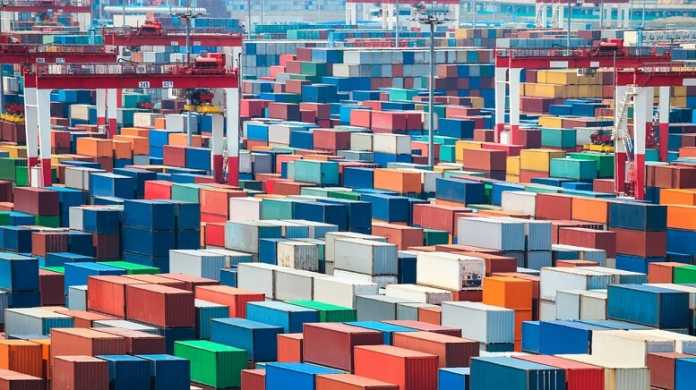
Industry analysts have pointed out that the conflict could exacerbate existing challenges in the shipping industry, such as container shortages and port congestion. These issues have already been straining global supply chains, and any additional pressure could lead to delays and increased costs for businesses and consumers alike.
Efforts to stabilize the region are ongoing, with diplomatic talks aimed at de-escalating tensions. However, the CEO warned that the complexity of the situation means that a resolution may not be imminent. As such, companies must remain vigilant and adaptable to navigate the uncertain landscape.
In addition to immediate operational concerns, the CEO also addressed the long-term implications of the conflict on global trade. The potential for regulatory changes and shifts in trade routes could reshape the industry, necessitating strategic adjustments by companies to maintain competitiveness.
Maersk’s proactive stance in addressing these challenges underscores the importance of resilience and adaptability in the face of geopolitical uncertainties. As the situation evolves, the company is committed to working with international partners to safeguard its operations and contribute to global efforts in maintaining stability and security in maritime trade.
Footnotes:
- The Maersk CEO emphasized the need for international cooperation to ensure safe passage and mitigate risks associated with the geopolitical tensions. Source.
Featured Image: DepositPhotos @ chungking.jpg