


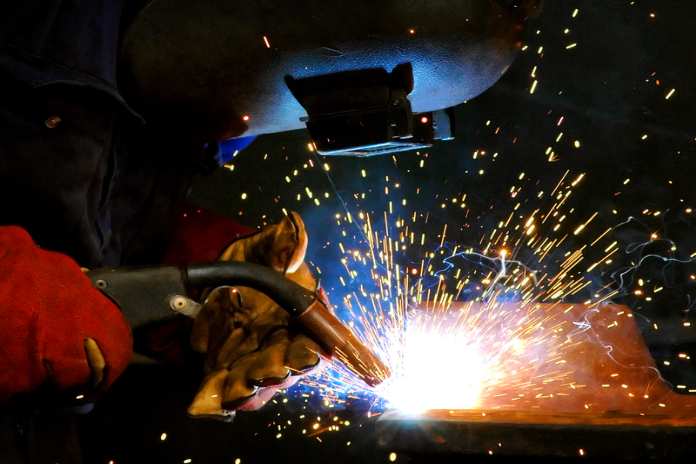
The S&P 500 experienced mixed results today as market dynamics shifted significantly due to the announcement of potential changes in steel tariffs. Steel manufacturers experienced a surge, while automakers faced a downturn. This divergence highlights the ongoing complexities in global trade and its impact on different sectors.
Steel producers, such as Nucor Corporation (NYSE:NUE), saw their stocks rise as news emerged about the potential increase in tariffs on steel imports. This policy change is expected to benefit domestic steel companies by reducing competition from foreign producers. The anticipated tariff hike comes as part of a broader strategy to bolster American manufacturing and protect local industries from international pressures.
Conversely, major automotive companies faced declines, with investors concerned about the increased costs associated with steel tariffs. Companies like Ford Motor Company (NYSE:F) and General Motors (NYSE:GM) are expected to bear the brunt of these changes, as higher steel prices could lead to increased production costs, ultimately affecting their profit margins. The automotive industry, heavily reliant on steel for manufacturing, finds itself in a precarious position as it navigates these evolving trade policies.
President Trump’s administration has been vocal about its intent to adjust trade policies to favor domestic manufacturing. This move aligns with previous efforts to renegotiate trade agreements and impose tariffs that protect local industries. However, these policies often lead to unintended ripple effects across different sectors, as evidenced by the current situation in the stock market.
Market analysts suggest that while steel producers may enjoy short-term gains, the broader implications for industries dependent on steel could pose long-term challenges. The potential for increased production costs and supply chain disruptions remains a significant concern for companies outside the steel sector.
Investors are advised to monitor these developments closely, as further announcements on trade policies could influence stock performance across various industries. The S&P 500’s mixed performance today serves as a reminder of the intricate interplay between policy decisions and market outcomes.
Overall, the current market conditions underscore the importance of strategic planning and adaptability for companies operating in a globally interconnected economy. As trade policies continue to evolve, businesses must remain agile to navigate the complexities of an ever-changing landscape.
Footnotes:
- The potential increase in steel tariffs is part of a broader strategy to protect American manufacturing. Source.
- Automakers like Ford and General Motors may face increased production costs due to higher steel prices. Source.
Featured Image: Megapixl @ Photooz